PCOS Can Look Different in Every Woman
Diagnosis is based on your cycle pattern, symptoms and appropriate medical evaluation — not on one symptom or one ultrasound alone.
PCOS can affect ovulation and fertility. Treatment depends on age, cycle pattern, ovarian function and the couple’s complete fertility evaluation.
Diagnosis is based on your cycle pattern, symptoms and appropriate medical evaluation — not on one symptom or one ultrasound alone.
Add an approved landscape video here about PCOS symptoms, diagnosis, lifestyle management, fertility or pregnancy planning.
PCOS symptoms vary. Having one symptom does not confirm PCOS, so persistent changes should be assessed by a gynecologist.
Cycles may become infrequent, unpredictable or absent because ovulation is not occurring regularly.
Higher androgen activity can contribute to acne or oily skin in some women with PCOS.
Some women experience increased coarse hair growth on the face or body.
PCOS can be associated with insulin resistance and metabolic changes, though PCOS also occurs in women without overweight.
Some women notice scalp hair thinning or female-pattern hair loss.
Irregular or absent ovulation can make conception more difficult for some women with PCOS.
Polycystic ovary syndrome (PCOS) is a hormonal and metabolic condition that can affect ovulation, menstrual cycles, androgen-related symptoms and fertility. Not every woman has the same symptoms, and not every woman with PCOS has polycystic-appearing ovaries on ultrasound.
“PCOD” is a term commonly used by patients in India. In modern medical guidance, PCOS is the standard term used for the syndrome. Rather than relying on the label, the important step is to evaluate your actual cycle pattern, androgen symptoms, ovulation and metabolic health.
The exact cause is not fully understood. Genetics, hormone signaling and metabolic factors can all contribute.
There is no single test that diagnoses every case of PCOS. Evaluation is based on the full clinical picture.
There is no one treatment plan for every patient. Management is tailored to the symptoms and health priorities that matter most to you.
Nutrition, physical activity, sleep and metabolic-health planning can support PCOS management. Weight-focused advice is individualized rather than applied to every patient.
Depending on your symptoms and pregnancy plans, the doctor may recommend treatment to help regulate menstrual cycles and protect the uterine lining.
Acne, unwanted hair growth or hair thinning may need targeted medical, dermatologic or cosmetic support depending on severity and goals.
If pregnancy is the goal, treatment focuses on ovulation, timing, age, fertility history and the couple’s overall evaluation rather than PCOS alone.
Yes. Many women with PCOS become pregnant naturally or with treatment. If ovulation is irregular, the time to conception may be longer. PCOS is also associated with a higher risk of some pregnancy complications, so preconception planning and appropriate antenatal monitoring can be useful.
PCOS is a common cause of ovulation problems. If ovulation is infrequent or absent, there may be fewer opportunities to conceive. However, PCOS should not be assumed to be the only fertility factor — the couple’s overall fertility evaluation remains important.
The next step depends on ovulation, age, duration of trying, semen parameters, tubal factors and previous treatment history.
Consult experienced gynecology and women’s health specialists at The Lifeplus Hospital, Indiranagar.
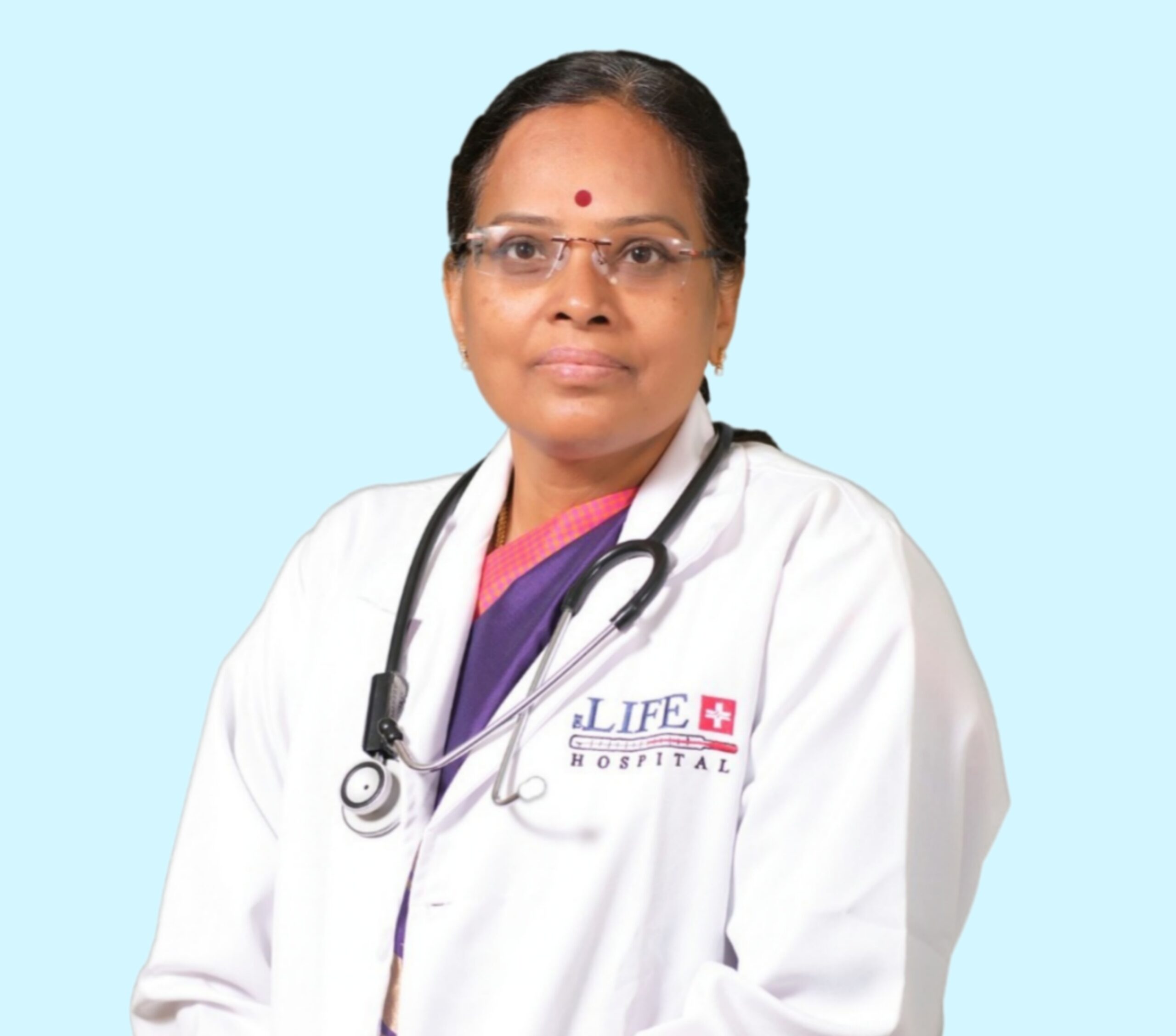
MBBS, MD (OBG)
Gynecologist & Fertility Specialist
30+ Years Experience
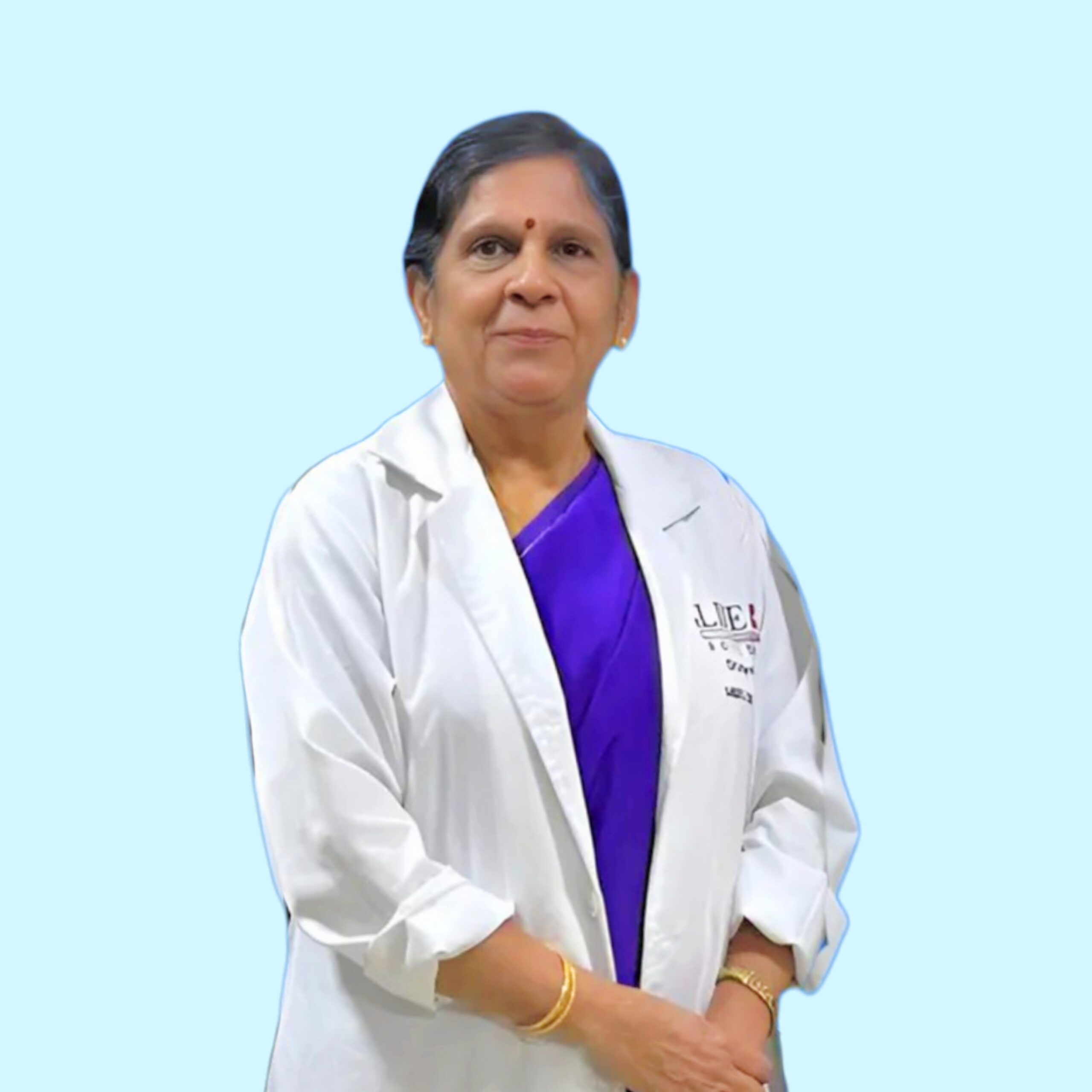
MBBS, MS (OBG)
Gynecologist & Infertility Specialist
13+ Years Experience
MBBS, MD (OBG)
Gynecologist & Fertility Specialist
30+ Years Experience
MBBS, MS (OBG)
Gynecologist & Infertility Specialist
13+ Years Experience
Symptoms can include irregular or missed periods, acne, excess facial or body hair, scalp hair thinning, difficulty conceiving and metabolic or weight-related changes. Symptoms vary from person to person.
PCOS is diagnosed from the overall clinical picture. Your doctor may use menstrual history, examination, hormone-related blood tests, ultrasound when appropriate and metabolic screening. Other conditions that can cause similar symptoms should also be considered.
No. Polycystic-appearing ovaries are not required in every patient. PCOS diagnosis can be based on a combination of ovulation / menstrual irregularity, androgen-related features and ultrasound findings after other causes have been excluded.
PCOS is a long-term hormonal and metabolic condition rather than something with one permanent cure. Symptoms and health risks can often be managed with lifestyle measures, medicines and fertility treatment when needed.
Yes. Many women with PCOS conceive naturally or with treatment. If ovulation is irregular, your gynecologist may recommend an individualized fertility plan after evaluating other possible fertility factors as well.
No. IVF is not automatically required for PCOS. Some women need only lifestyle or cycle management, while others may need ovulation-focused fertility treatment. IUI, IVF or ICSI are considered only when clinically appropriate.
Yes, especially when irregular periods are persistent, repeatedly missed, unusually frequent or associated with acne, excess hair growth, pelvic symptoms or fertility concerns. PCOS is one possible cause, but not the only one.
Visit our gynecology team in Indiranagar for PCOS / PCOD evaluation and treatment planning.
266/C, 80 Feet Road, near Chinmaya Mission Hospital, HAL 3rd Stage, Indiranagar, Bengaluru – 560038.
Related women’s healthcare, fertility and maternity pages.
Book a PCOS evaluation with The Life Plus Hospital, Indiranagar.